Hotel Safe Passport and Cash Backup Checklist for 2026
A traveler checklist for hotel safes, passport copies, emergency cash, card separation, local rules, and theft reporting without exposing private details.

Hotel safes and passport copies are useful only when they are part of a larger backup plan. A traveler who leaves every card, passport, phone, and emergency contact in one place has not reduced risk; they have only moved it. The safer plan separates originals, copies, payment methods, recovery contacts, and theft-reporting steps while avoiding unnecessary exposure of passport numbers, card data, and itinerary details. This guide was checked on 2026-06-21 against U.S. State Department, TSA, FTC, CFPB, embassy, and CDC travel resources. It is general travel planning, not legal, immigration, insurance, or security advice; follow local law, official embassy guidance, carrier rules, and your insurer’s claim instructions.
Quick decision table
| Situation | Safer action | Avoid |
|---|---|---|
| Before departure | Make encrypted and paper backup records with emergency contacts | Keeping only one phone photo of every document |
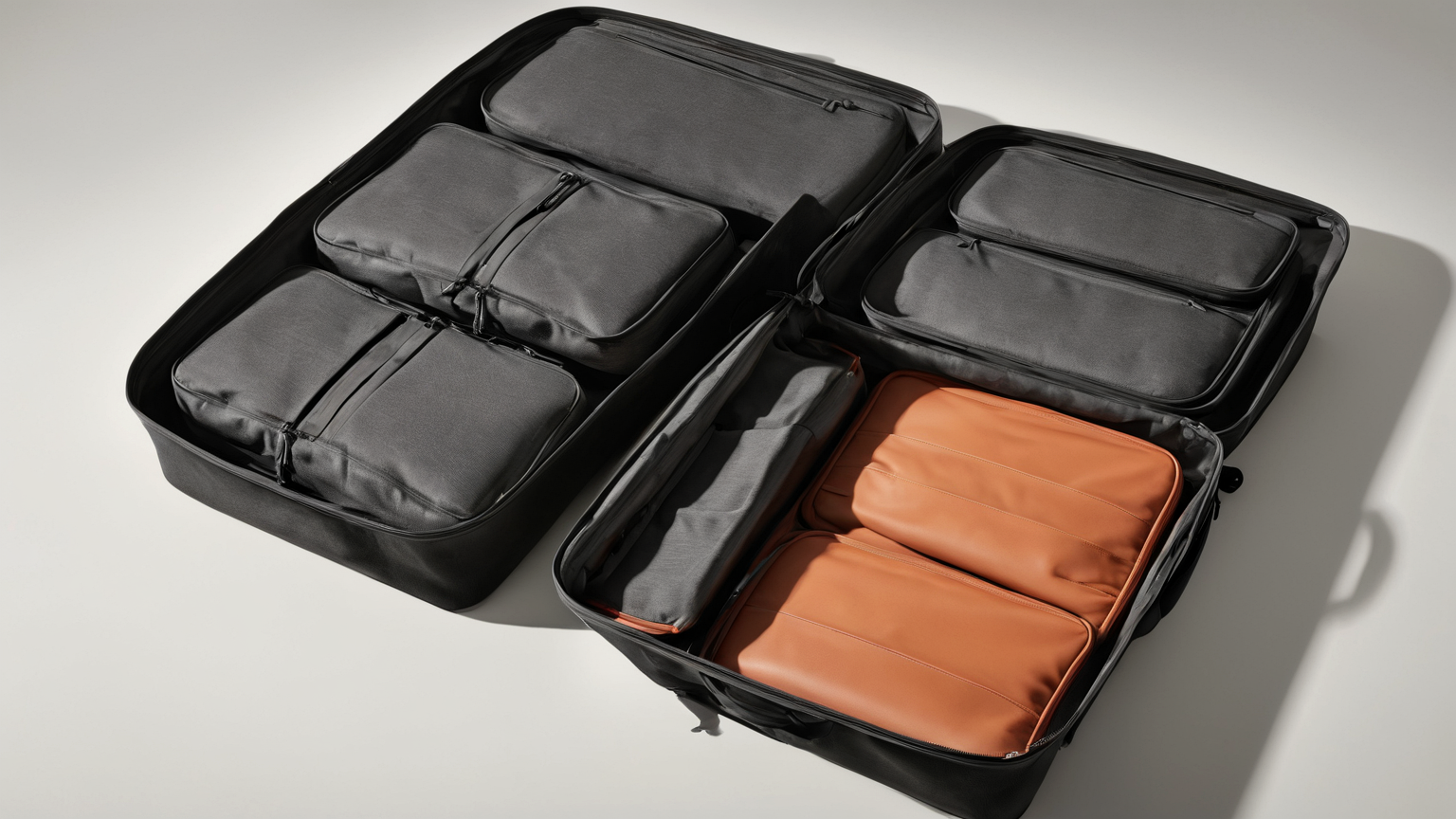
| At hotel check-in | Decide what stays on your body, in the safe, or with a trusted companion | Putting passport, all cards, and all cash in one location |
| Daily sightseeing | Carry only what the day needs and keep backup payment separate | Bringing every document to crowded areas by habit |
| Loss or theft | Report to local authorities, card issuers, insurer, and embassy as needed | Posting document photos or full details in group chats |
| Checkout | Empty the safe with a written routine before leaving | Discovering missing documents at the airport |
1. Start with the account, person, or meeting that can hurt most
Do not begin with a perfect template. Begin with the highest-consequence failure: money locked in the wrong place, an account nobody can recover, a sensitive meeting captured without a clear notice, or travel documents missing when offices are closed. Write the owner, the decision point, the official source, and the next review date. This keeps the process practical and AdSense-safe because the reader gets a workflow instead of generic warnings.
2. Keep evidence useful but not overexposed
Good evidence is specific enough to help later and limited enough that it does not create a new privacy or fraud problem. Save confirmation numbers, dates, institution names, policy pages, and support channels. Avoid storing full credentials, complete card numbers, private IDs, or unredacted family documents in shared folders. If a screenshot is useful, crop or redact it before it goes into a shared workspace.

3. Separate routine cases from exception cases
Most readers can handle the routine checklist alone, but edge cases need professional or official help. Multiple marriages, trusts, minors, HR-sensitive meetings, cross-border travel, law-enforcement reports, regulated customer data, or high-value accounts should be escalated. The simple rule is: if a wrong choice can affect rights, money, identity, safety, employment, immigration, or legal position, document first and get qualified help before changing the record.

4. Build a review rhythm
A once-a-year review is better than a crisis review, but event-based triggers matter more. Review after a move, new job, new device, new vendor, marriage, divorce, birth, death, trip booking, policy change, or tool rollout. Add a short note saying what changed and what did not. A future reader should be able to understand the decision without guessing what you meant six months earlier.
5. Make the safe choice easy for the next person
A checklist fails when only one person understands it. Create a short owner list, a recovery route, and a plain-language stop rule. For example: stop if consent is unclear, if a beneficiary record cannot be verified, if a passport copy would expose too much, or if a support channel asks for unnecessary secrets. This gives families and teams a safer default under stress.

Practical checklist
- Identify the official account, administrator, vendor, agency, or custodian that controls the record.
- Record the last verified date and the next review trigger.
- Keep source links and confirmation evidence separate from passwords or sensitive IDs.
- Use redaction before sending documents to helpers, vendors, or group chats.
- Decide who can act in an emergency and who only needs read-only awareness.
- Remove stale access, stale contacts, stale cards, stale documents, and old shared links.
- Recheck after any policy, platform, family, travel, or employment change.
FAQ
Is this current for 2026?
It was checked on 2026-06-21 against the sources listed in the frontmatter. Official rules, platform settings, and local requirements can change, so verify before relying on it for a high-stakes decision.
What is the safest first step?
Inventory the current record and source of authority before changing anything. Many mistakes come from fixing the wrong copy of a record.
When should I get expert help?
Use the relevant professional, official support channel, legal adviser, tax adviser, security owner, travel authority, or privacy officer when a mistake could affect money, access, identity, rights, safety, or compliance.